
Introduction
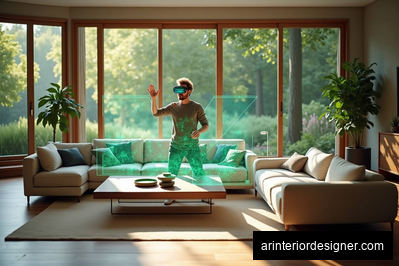
In the realm of interior design, the growing emphasis on sustainability has led to innovative approaches that not only seek to enhance aesthetics but also prioritize eco-friendliness. Among these, Augmented Reality (AR) emerges as a transformative technology, offering a seamless blend of virtual and real-world experiences. This digital revolution has opened up unprecedented avenues for visualizing and implementing sustainable choices within interior spaces. By leveraging AR, designers and homeowners alike can explore, experiment with, and execute eco-friendly designs in a more informed and immersive manner. This blog post delves into the intricacies of eco-friendly interior design through AR, shedding light on how this technology is redefining the approach to sustainable living spaces.
The intersection of AR and eco-friendly interior design not only aligns with the global shift towards environmental consciousness but also addresses the practical challenges of visualizing and realizing green spaces. Through detailed examples, expert insights, and practical applications, we will explore how AR facilitates the selection of sustainable materials, furniture, and layouts. Furthermore, we will discuss the advantages and limitations of adopting AR in eco-friendly interior design, offering a comprehensive guide for those looking to embrace this innovative synergy.
Building upon the concept introduced in the previous section, it is evident that the trend towards sustainable interior design is not only about using eco-friendly materials but also about incorporating energy-efficient solutions. For instance, smart home technology, like sensors that adjust lighting based on natural daylight levels, is becoming increasingly popular in eco-conscious interiors. This intersection of sustainability and technology not only enhances the functionality of a space but also reduces energy consumption, aligning with the overarching theme of responsible design practices.
The Role of AR in Sustainable Interior Design
Augmented Reality (AR) has revolutionized the field of interior design by providing a platform for real-time visualization and interaction with design elements. In the context of sustainability, AR becomes a powerful tool, enabling designers and homeowners to visualize the impact of their choices on the environment and the indoor space. For instance, AR apps can simulate how natural light interacts with different materials throughout the day, helping to select energy-efficient solutions that reduce the need for artificial lighting. Moreover, AR can showcase the lifecycle and environmental footprint of furniture and decor items, encouraging responsible purchasing decisions.
Industry examples abound where companies leverage AR for sustainable design. IKEA's Place app allows users to visualize furniture in their own space, reducing the likelihood of returns and the carbon footprint associated with them. Similarly, the Dulux Visualizer app enables homeowners to experiment with eco-friendly paint options, seeing firsthand how different colors and finishes can transform a space without the waste of traditional paint samples. These applications not only enhance customer engagement but also promote sustainability by minimizing waste and encouraging thoughtful selection of materials.
In the realm of sustainable interior design, AR emerges as a powerful tool that not only aids in visualizing design concepts but also promotes eco-friendly practices. Imagine using AR to simulate natural lighting effects within a space, allowing designers to optimize energy efficiency by strategically placing windows and skylights. Furthermore, AR can assist in selecting sustainable materials by overlaying product information like sourcing details and environmental impact ratings, empowering designers to make informed choices that align with their sustainable goals. By integrating AR technology into sustainable interior design processes, professionals can enhance both the aesthetic appeal and environmental responsibility of their projects.
Advantages of Utilizing AR in Eco-friendly Design
The integration of AR in eco-friendly interior design offers several distinct advantages. Firstly, it enhances the decision-making process by providing a realistic visualization of the end result. This immersive experience helps in assessing the aesthetic and functional aspects of sustainable materials and products, ensuring they meet the desired criteria. Secondly, AR aids in space planning, allowing for the optimization of layouts that maximize natural light and air flow, contributing to energy efficiency and occupant well-being. Additionally, AR can facilitate the exploration of recycled and upcycled materials in a design context, promoting their use through visual appeal and demonstrated functionality.
From a practical standpoint, AR significantly reduces the need for physical samples and prototypes, cutting down on the waste generated during the design process. This not only aligns with the principles of sustainability but also offers cost-saving benefits. Furthermore, AR applications can be updated with the latest eco-friendly products and materials, providing users with access to cutting-edge sustainable design options. This ongoing access to innovation empowers designers and homeowners to continuously evolve their spaces in alignment with environmental advancements.
Incorporating AR technology into eco-friendly design processes can significantly reduce material waste. AR allows designers to visualize and refine their concepts digitally, minimizing the need for physical prototypes that often end up discarded. Moreover, AR enables real-time energy simulations, helping designers optimize lighting and ventilation systems for maximum energy efficiency. By harnessing AR's capabilities, designers can create sustainable spaces that not only enhance occupant well-being but also minimize the environmental impact throughout the lifecycle of the building.
Challenges and Limitations of AR in Sustainable Design
Despite its numerous benefits, integrating AR into eco-friendly interior design is not without challenges. One of the primary limitations is the technology's accessibility and user-friendliness. Not all individuals possess the technical skills or devices required to effectively use AR apps, which may limit its widespread adoption. Additionally, while AR can simulate the look and feel of sustainable materials and designs, it cannot fully replicate the tactile experience, potentially leading to discrepancies between virtual visualization and real-world application.
Moreover, the development of AR applications requires significant resources, including energy and materials, which may contradict sustainability goals if not managed responsibly. Ensuring that the digital infrastructure supporting AR is powered by renewable energy sources is crucial to mitigate this issue. Furthermore, the rapid pace of technological advancement means that AR devices and apps can quickly become outdated, posing a challenge to the sustainable lifecycle of these technologies. This necessitates a commitment to continual learning and adaptation on the part of designers and users alike.
One significant challenge in implementing AR technology in sustainable design lies in the complexities of aligning virtual elements with real-world spaces. Ensuring accurate placement of digital overlays within eco-friendly interiors demands precise calibration and integration, which can be time-consuming and resource-intensive. For example, achieving seamless integration of virtual furniture models with environmentally conscious materials like reclaimed wood or recycled plastics requires meticulous attention to detail and advanced spatial mapping capabilities. This intricate process underscores the importance of addressing technical limitations and compatibility issues to fully leverage AR's potential in promoting sustainable design practices.
Practical Applications and Future Directions
The practical applications of AR in eco-friendly interior design are vast and varied. For instance, designers can use AR to create virtual models of interiors that showcase sustainable practices, such as the use of non-toxic materials, energy-efficient appliances, and furniture made from renewable resources. These models can serve as powerful tools for education and advocacy, demonstrating the feasibility and benefits of sustainable living spaces.
Looking to the future, the continued evolution of AR technology holds promising potential for furthering sustainability in interior design. Developments in AR could lead to more sophisticated simulations of environmental impacts, such as embodied carbon calculations displayed in real time as design choices are made. Additionally, the integration of Artificial Intelligence (AI) with AR could enable smart recommendations for eco-friendly materials and designs based on user preferences and environmental criteria.
Case studies highlight the impact of AR on sustainable design. For example, a project undertaken by a leading design firm utilized AR to retrofit an old building, visualizing energy-saving updates and materials with minimal environmental impact. This project not only resulted in a significant reduction in the building's carbon footprint but also served as a model for sustainable renovation practices. Similarly, educational institutions have begun incorporating AR into their design curricula, preparing the next generation of designers to prioritize sustainability through hands-on, interactive learning experiences.
Looking ahead, the future directions of AR technology in eco-friendly interior design show great promise for revolutionizing the way we interact with our living spaces. Imagine a scenario where AR devices provide real-time energy consumption data, allowing homeowners to make informed decisions that lead to reduced environmental impact without compromising comfort. Additionally, the integration of AR in sustainable architecture can offer immersive virtual tours of green buildings, enabling designers and clients to visualize eco-friendly concepts before implementation. These advancements not only enhance the practical applications of AR but also pave the way for a more sustainable and innovative approach to interior design.
Conclusion
The fusion of AR technology with eco-friendly interior design represents a forward-thinking approach to creating sustainable living spaces. By offering an immersive and interactive platform, AR enables designers and homeowners to visualize and implement sustainable choices with greater confidence and creativity. Despite the challenges associated with technology adoption and the tactile limitations of virtual simulations, the advantages of using AR for eco-friendly design are clear. Enhanced decision-making, reduced waste, and continuous access to sustainable innovations are just a few of the benefits that AR brings to the table.
As we look towards the future, the potential for AR in revolutionizing sustainable interior design is immense. With ongoing advancements in AR and AI technologies, along with a growing emphasis on environmental responsibility, the integration of eco-friendly practices in interior design is set to become more accessible, effective, and widespread. For designers, homeowners, and environmental advocates alike, embracing AR in the design process presents an exciting opportunity to contribute to the sustainability movement, one space at a time.
In conclusion, the integration of augmented reality (AR) technology into eco-friendly interior design not only enhances visual aesthetics but also promotes sustainability and innovation. By utilizing AR, designers can virtually showcase how sustainable materials and energy-efficient solutions can transform spaces, inspiring conscious consumer choices and reducing environmental impact. This forward-thinking approach not only revolutionizes the design process but also fosters a deeper connection between individuals and their living spaces, emphasizing the importance of sustainable practices in everyday life.