
Introduction
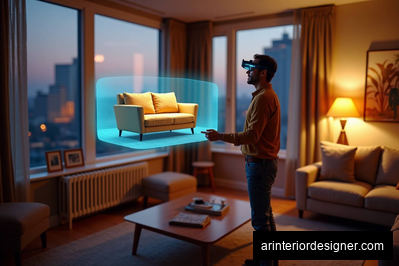
The integration of educational content into Augmented Reality (AR) design platforms represents a transformative approach to learning and instruction. This fusion not only enhances user engagement through immersive experiences but also facilitates a deeper understanding of complex subjects. By bringing digital elements into the real world, AR in education offers a unique, interactive learning environment that can adapt to diverse learning styles and needs. This article delves into the strategies, benefits, and practical applications of incorporating educational content into AR design platforms, providing readers with comprehensive insights into the future of learning.
In this Introduction section, let's delve deeper into how AR technology is revolutionizing education. Imagine students exploring the solar system through AR simulations, or history lessons coming to life with interactive experiences. This dynamic approach not only enhances engagement but also provides a more immersive and memorable learning experience.
The Evolution of AR in Education
The journey of augmented reality in educational contexts has evolved significantly over the past decade. Initially, AR applications in education were limited by technology constraints and high development costs. However, with advancements in AR technology and the proliferation of mobile devices, AR educational applications have become more accessible and effective. For instance, platforms like ARKit and ARCore have democratized AR development, enabling educators and developers to create customized learning experiences. These developments have paved the way for AR to be integrated into classrooms, museums, and even at home, providing learners with enriched, contextual educational content.
The practical application of AR in education spans various subjects and disciplines. For example, in science education, apps like Anatomy 4D transform the way students learn about the human body by overlaying anatomical information onto physical objects. Similarly, in history education, AR applications can bring historical events to life, allowing students to explore ancient civilizations or significant historical sites in three-dimensional space. These examples underscore the potential of AR to make learning more engaging and interactive, thereby improving educational outcomes.
From interactive AR textbooks to immersive virtual field trips, the educational landscape continues to embrace AR technology for enhanced learning experiences. As educators integrate AR applications like Anatomy 4D or Geo Gebra into their lesson plans, students gain a deeper understanding of complex subjects through interactive visualizations and simulations, marking a pivotal moment in the evolution of AR in education.
Designing Effective AR Educational Content
Creating effective AR educational content requires a thoughtful approach that prioritizes pedagogical goals and learner engagement. The design process should start with clear learning objectives, ensuring that AR elements are aligned with educational outcomes. It's also important to consider the user experience, making the AR content intuitive and accessible for learners of all ages. Interactivity is another key component; by enabling learners to interact with AR content, educators can foster active learning and exploration.
Another consideration is the contextual relevance of AR content. For AR to be truly effective, the digital elements should enhance the learning material rather than distract from it. This can involve overlaying relevant information onto physical textbooks or creating AR simulations that allow students to experiment with scientific concepts in a controlled, virtual environment. Additionally, incorporating gamification elements into AR educational content can significantly increase student motivation and engagement, leading to better learning outcomes.
Incorporating interactive elements like quizzes and 3D models can significantly enhance the engagement and retention of AR educational content. Designing effective AR experiences involves not only captivating visuals but also strategic use of interactive features to reinforce learning objectives. For instance, integrating gamified elements can transform traditional lessons into immersive and memorable learning experiences.
Challenges and Solutions in AR Education Integration
Despite the promising benefits of integrating AR into educational content, there are several challenges that educators and developers must navigate. One of the primary challenges is the digital divide; not all students have access to AR-capable devices, which can create disparities in learning opportunities. To address this issue, schools and institutions can implement device lending programs or invest in AR-equipped classrooms to ensure equitable access to AR learning resources.
Another challenge is the potential for cognitive overload. AR experiences that are too complex or visually overwhelming can hinder learning rather than enhance it. To mitigate this, AR content should be designed with simplicity in mind, focusing on key learning objectives and minimizing unnecessary distractions. Providing learners with control over the pace and complexity of the AR experience can also help manage cognitive load effectively.
One common challenge in AR education integration is the need for comprehensive teacher training to effectively utilize AR tools in the classroom. Providing educators with hands-on workshops and resources tailored to their subjects can empower them to incorporate AR seamlessly into lesson plans. Additionally, ensuring compatibility between different AR devices and software solutions is crucial for a smooth learning experience across diverse learning environments.
Case Studies and Real-World Applications
The integration of AR into education has already shown promising results in various case studies and real-world applications. For instance, a study conducted on an AR-based astronomy education program found that students who used the AR application demonstrated a significant improvement in learning outcomes compared to those who received traditional instruction. Similarly, in a pilot project involving AR for teaching geometry, students were able to visualize and manipulate geometric shapes in 3D space, leading to improved spatial understanding and problem-solving skills.
In addition to formal education settings, AR is also being used for professional training and development. For example, in the medical field, AR simulations are used to train surgeons, allowing them to practice procedures in a risk-free, virtual environment. This not only enhances the learning experience but also improves safety and efficacy in medical training. These case studies underscore the versatility and impact of AR in educational contexts, demonstrating its potential to revolutionize how we learn and teach.
Exploring the innovative use of blockchain technology in supply chain management through case studies reveals tangible benefits like enhanced transparency and traceability. Real-world applications showcase how companies like Walmart have leveraged blockchain to optimize their supply chain processes, ensuring authenticity and reducing inefficiencies.
Conclusion
The integration of educational content into AR design platforms offers a new paradigm for learning, characterized by interactive, immersive experiences that cater to diverse learning styles and needs. By leveraging the capabilities of AR technology, educators can create dynamic learning environments that engage students in novel and meaningful ways. However, it is crucial to address challenges such as the digital divide and cognitive overload to ensure that AR educational content is accessible and effective for all learners.
As AR technology continues to evolve, the possibilities for its application in education are boundless. By remaining committed to innovation and inclusivity, educators and developers can harness the full potential of AR to enrich educational experiences and outcomes. The future of learning is augmented, and through thoughtful integration of educational content into AR design platforms, we can create a more engaging and effective educational landscape for learners around the world.
In conclusion, the potential of AR in education goes beyond just enhancing learning experiences. By immersing students in interactive environments, AR can foster creativity and critical thinking skills. For example, students can dissect virtual animals or explore historical landmarks, making learning engaging and impactful.