
Introduction
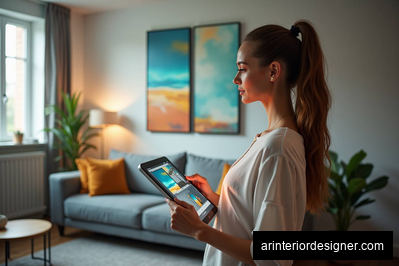
In the quest for optimal wellness and productivity within our personal spaces, augmented reality (AR) is emerging as a transformative tool. This innovative technology, which superimposes digital information onto the physical world, is revolutionizing how we design, interact with, and personalize our living and working environments. By blending the digital and physical realms, AR provides a unique platform for creating spaces that not only reflect our personal style but also enhance our mental and physical well-being.
The application of AR in personalizing home spaces goes beyond mere aesthetics; it encompasses the optimization of spaces for health, relaxation, and efficient work. This blog post delves into the multifaceted role of AR in home personalization, exploring how it caters to individual preferences and needs, thus promoting wellness and productivity. Through a series of examples, statistics, case studies, and expert insights, we will uncover the benefits and challenges of integrating AR into home design and lifestyle, offering a comprehensive understanding of its potential to transform our living spaces.
As we delve deeper into the realm of AR technologies, it becomes apparent that the concept of introduction extends beyond mere surface level interactions. The introduction phase sets the tone for a seamless integration of AR into our daily lives, paving the way for innovative applications in various fields. For instance, in the healthcare industry, AR introduction plays a crucial role in revolutionizing medical training simulations and enhancing patient care experiences. By embracing the potential of AR from the very beginning, we lay a solid foundation for a future where the boundaries between virtual and physical realities blur effortlessly.
Enhancing Spatial Awareness and Design with AR
One of the primary ways AR is revolutionizing personal space is through its capacity to enhance spatial awareness and facilitate design. AR tools, such as IKEA Place and Houzz, allow users to visualize furniture and decor in their homes before making any physical changes. This not only aids in decision-making but also encourages creative experimentation with design, layout, and color schemes.
Moreover, AR can simulate the effects of different lighting conditions, wall colors, and even room expansions, enabling individuals to optimize their environments for comfort, functionality, and mood enhancement. For example, a study conducted by the University of Michigan found that AR-assisted design significantly improves the accuracy of spatial perception, leading to more satisfying and personalized home environments. Such technology empowers users to become active participants in the design process, tailoring their spaces to their unique lifestyles and wellness needs.
However, integrating AR into home design is not without its challenges. Issues such as technological accessibility, learning curves, and data privacy concerns can pose barriers to widespread adoption. Despite these hurdles, the potential of AR to democratize interior design and make personalized wellness spaces more attainable is undeniable. As technology advances and becomes more user-friendly, it is expected that AR will play an increasingly significant role in home personalization.
In the realm of interior design, augmented reality (AR) is a game-changer, allowing designers to visualize and manipulate spatial layouts with unprecedented precision. Imagine being able to overlay virtual furniture in real-time, enabling clients to see how a room will look before any physical changes are made. This technology not only enhances spatial awareness by providing a realistic preview but also streamlines the design process by facilitating quick adjustments and iterations based on client feedback.
Promoting Health and Wellness Through Personalized Spaces
The impact of our environment on our health and well-being is well-documented. AR offers a novel approach to creating spaces that not only meet our aesthetic preferences but also promote physical and mental health. By using AR to visualize and implement design elements that support wellness, individuals can create homes that act as sanctuaries for health.
For instance, AR can be used to design home gyms that fit perfectly within available spaces, complete with equipment suited to the user's personal fitness goals. Similarly, AR can help in creating serene and calming meditation or yoga spaces, incorporating elements such as optimal lighting, colors, and layouts that enhance relaxation and mindfulness.
Furthermore, AR technology can guide the placement of plants and natural elements within the home to improve air quality and promote a connection with nature, which is beneficial for mental health. A study by the National Institute of Health indicated that interaction with indoor plants can reduce stress and improve mood, highlighting the importance of incorporating nature into our living spaces for overall well-being.
Despite the potential of AR to enhance wellness through personalized space design, it is important to note that the effectiveness of such interventions varies from person to person. Individual preferences, lifestyle, and health needs play a significant role in determining the impact of these personalized environments on well-being.
In the realm of personalized spaces for health and wellness, incorporating biophilic design elements can bring nature indoors, enhancing relaxation and promoting overall well-being. Imagine a living wall of lush greenery in a meditation corner or a sunlit reading nook with potted plants that not only beautify the space but also purify the air. These personalized touches not only create a serene ambiance but also contribute to improving air quality and reducing stress levels. By curating spaces that cater to individual needs and preferences, we can truly harness the power of our environment to foster better health outcomes.
Boosting Productivity in Personal Workspaces
In today's increasingly remote work culture, the importance of a well-designed, productivity-enhancing personal workspace cannot be overstated. AR technology is at the forefront of creating work environments that are not only functional but also personalized to the individual's work style and needs.
AR applications can optimize the layout of home offices, ensuring that furniture, equipment, and storage are arranged for maximum efficiency and comfort. This includes the ability to simulate various desk setups, chair options, and storage solutions to find the most ergonomic and productive arrangement. Moreover, AR can help in creating zones within a workspace for different tasks, such as a quiet reading nook or a creative brainstorming area, further enhancing productivity.
Additionally, AR can assist in selecting colors and lighting that boost focus and reduce eye strain, crucial factors in maintaining productivity over long periods. For example, research from the Lighting Research Center at Rensselaer Polytechnic Institute shows that exposure to blue-enriched light can improve alertness and performance, which can be effectively simulated and planned using AR.
While AR offers significant advantages in designing productivity-enhancing workspaces, the challenge of digital distraction is a notable drawback. The immersive nature of AR requires discipline and self-regulation to ensure that the technology is used constructively for workspace optimization rather than as a source of distraction.
One key element often overlooked in personal workspaces is the lighting setup. Research shows that natural light can significantly boost productivity and mood. Consider positioning your desk near a window to harness the benefits of daylight. Additionally, incorporating greenery like succulents or a small indoor plant can not only enhance the aesthetics of your workspace but also improve air quality, leading to a healthier and more productive environment.
AR in Smart Home Integration
The integration of AR with smart home technology opens up new possibilities for personalizing home spaces for wellness and productivity. AR interfaces can provide intuitive control over smart home devices, making it easier to adjust lighting, temperature, and even sound to create an environment that supports the occupant's mood and activities.
For example, AR can visualize the impact of different lighting scenarios on the ambiance of a room, allowing users to create custom lighting profiles that enhance relaxation or focus, depending on their needs. Similarly, AR can assist in managing smart thermostats to ensure the home's temperature is optimized for comfort and energy efficiency.
Moreover, AR-enhanced smart home systems can improve accessibility, offering voice commands and gesture controls that make it easier for individuals with mobility or dexterity challenges to interact with their environment. This not only enhances personalization but also promotes independence and well-being.
However, the complexity of integrating AR with smart home technologies can be a barrier for some users. Compatibility issues, the need for regular updates, and concerns over data security are valid challenges that need to be addressed to fully realize the potential of AR in smart home personalization.
Imagine stepping into your smart home and being greeted by virtual assistants projected through AR glasses, guiding you through your daily routines. With AR in smart home integration, not only can you control your home devices with simple gestures, but you can also visualize real-time energy consumption data overlaid on your appliances. Picture adjusting your lighting preferences by simply pointing at different areas in the room, creating a seamless blend of augmented reality and home automation. The possibilities are endless, from interactive home security systems to immersive entertainment experiences, making the smart home of the future truly personalized and futuristic.
Conclusion
Augmented reality is redefining the way we personalize our home spaces for wellness and productivity. By enhancing spatial awareness, promoting health and well-being, boosting productivity, and integrating with smart home technology, AR offers a holistic approach to creating environments that cater to our individual preferences and needs. While challenges such as technological accessibility, learning curves, and data privacy concerns exist, the potential benefits of AR in personal space personalization are immense.
As we move forward, it is clear that AR will play an increasingly significant role in home design and lifestyle. For those looking to enhance their living spaces, embracing AR technology can provide a powerful tool for creating environments that not only reflect personal style but also promote a healthier, more productive lifestyle. The future of home personalization is here, and it is augmented.
In conclusion, the impact of augmented reality on home design goes beyond aesthetics. It not only enhances visual appeal but also promotes a sense of well-being by creating personalized spaces that cater to individual needs. For instance, imagine using AR to visualize different color schemes and furniture arrangements before committing to a design, ensuring a harmonious and functional living environment. Moreover, with AR technology, homeowners can experiment with various lighting setups to optimize productivity and relaxation in different areas of the house. Ultimately, integrating augmented reality into home design empowers individuals to create spaces that truly reflect their personalities and support their overall well-being.